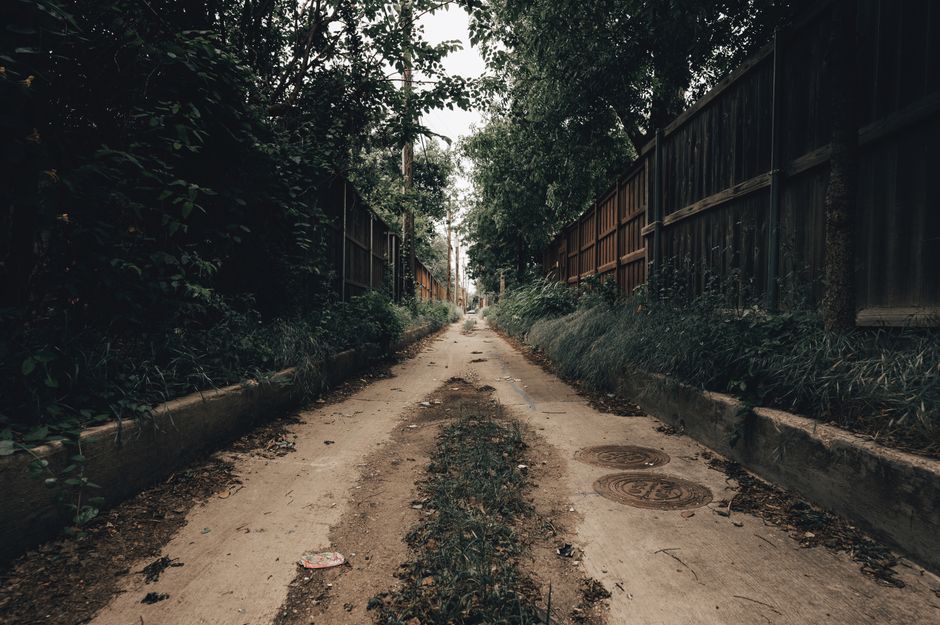
Access Problems and Garden Clearance on Narrow Morden Alleys
Narrow alleys can turn a simple garden clearance into a proper puzzle. If you live in Morden and your back access is tight, awkward, shared, overgrown, or just plain inconvenient, you already know the feeling: bags won't fit through, wheelbarrows catch on corners, and even a tidy-up can become a mini operation. Access problems and garden clearance on narrow Morden alleys is really about finding a safe, tidy way to remove waste, cut back growth, and restore order without damaging fences, walls, paving, or neighbouring property.
This guide walks through what makes these spaces difficult, how clearance is usually handled, and what to do before work starts. You'll also find practical advice on tools, safety, compliance, and the small decisions that make the biggest difference. If you're planning a larger tidy-up or a full reset, it may also help to look at broader gardening services and ongoing garden maintenance for the bits that come after the clearance.
Why Access problems and garden clearance on narrow Morden alleys Matters
On paper, garden clearance sounds straightforward. In reality, access is often the thing that decides whether a job is smooth or frustrating. Narrow Morden alleys can be pinched by bins, bikes, boiler pipes, side gates, hedging, steps, and those awkward right-angle turns that look manageable until you try to push a loaded barrow through them. Throw in wet leaves, mossy paving, or waist-high weeds, and the risk of slips and scrapes jumps up quickly.
For homeowners, access problems matter because they affect time, cost, safety, and the final result. If material has to be carried by hand rather than moved in bulk, the job takes longer. If waste is left in the wrong place, it can block shared access or annoy neighbours. And if cutting back or clearing is done too aggressively just to "make room", you can end up with broken trellis, cracked pots, or a damaged fence panel that did not need replacing in the first place. Let's face it, that's a miserable trade-off.
There's also the local reality of mixed property layouts. Some alleys are shared between terraces, some run beside extensions, some narrow down near the back fence, and some are just a thin strip with very little turning room. The access solution has to fit the site, not the other way round. That is why a proper site look-over before work starts is so valuable.
Good clearance in these spaces is not only about removing waste. It is also about making the garden usable again. Once the access route is planned, you can move debris out safely, protect surfaces, and create enough breathing room for future work such as hedge care, planting, or repairs. If you're thinking longer term, services like landscaping or fencing often become easier to plan once the alley and rear route are properly cleared.
How Access problems and garden clearance on narrow Morden alleys Works
The basic process is simple, though the details matter. First, the site is assessed. Then access routes, waste volumes, and any hazards are identified. After that, the clearance is carried out in a sequence that keeps movement controlled and avoids unnecessary damage. In narrow spaces, the main challenge is not the cutting or lifting itself. It is moving everything safely in and out with limited room to spare.
In practice, a good clearance plan normally follows a few sensible stages:
- Initial walk-through: check the alley width, gate swing, surface condition, and any pinch points.
- Sorting the waste: separate green waste, woody waste, soil, bulky items, and anything that needs special handling.
- Access protection: use boards, mats, or careful footing where paving is fragile or slippery.
- Controlled removal: carry smaller loads, use narrower containers, and avoid overfilling sacks or bins.
- Final sweep and check: clear loose debris, rinse down if needed, and make sure nothing has been left behind in the alley.
The trick is to treat the alley as a working route, not just a passage. That means planning where bags are set down, where tools are staged, and how people move around each other. On a tight job, one misplaced trug can cause more delay than a whole pile of ivy. Slightly annoying, yes, but true.
If the clearance is part of a broader tidy-up, there may be trimming, edging, plant removal, or even a light restoration element. In those cases, many households find it useful to pair the clearance with ongoing lawn care or targeted hedge trimming in Morden once access is open again.
Key Benefits and Practical Advantages
When access is handled properly, the whole job becomes calmer and cleaner. You notice it most at the end, when the garden looks lighter and the alley is not covered in stray clippings or crushed soil. The benefits are practical, but they're also a bit emotional if you've been living with clutter for months. Space feels different once it can breathe again.
- Safer movement: fewer trips, fewer slips, less chance of bruised shins and damaged walls.
- Cleaner waste removal: debris can be sorted and moved out in a more organised way.
- Better neighbour relations: careful access reduces disturbance, mess, and blocked shared routes.
- Less surface damage: planning protects paving, render, fences, and steps.
- Faster follow-up work: once clearance is done, maintenance, planting, or repairs can begin sooner.
- More usable garden space: clutter, tangled growth, and waste piles stop stealing room.
There is also a commercial advantage if you're comparing service options. A team that understands difficult access can estimate labour, disposal, and timing more realistically. That usually means fewer surprises. You don't want someone arriving with the wrong kit, peering at the alley, and suddenly realising the wheelbarrow is not going anywhere. It happens more than you'd think.
For some homes, access clearance also opens up design possibilities. A once-clogged side route can become a useful strip for pots, storage, or even a narrow planting scheme. Ideas from vertical garden design and container gardening can be surprisingly effective where floor space is tight.
Who This Is For and When It Makes Sense
This kind of clearance is relevant to more people than you might expect. It's not only for neglected gardens or major overhauls. Sometimes it's simply the right response when access is too narrow for standard removal methods.
- Terraced homeowners with rear alley access through shared or narrow passages.
- Landlords and letting agents preparing a garden between tenancies.
- Older homeowners who need a safer, less physically demanding tidy-up.
- Families dealing with overgrowth, toys, broken pots, and a backlog of garden waste.
- Property managers handling access-sensitive communal or rear-garden areas.
- Anyone planning seasonal cut-backs after winter debris, storm damage, or a long wet spell.
It often makes sense when the garden has crossed the line from "a bit untidy" to "hard to move around in". If the alley itself is starting to feel blocked by branches, bags, or stored items, clearance becomes about access management as much as garden tidying. You might also consider it before bigger changes, such as new planting, seating, or a refreshed layout. A calm starting point really helps.
Some people first notice the problem when they try to move a compost bin or mower down the side and realise there is just not enough margin. Others discover it when the hedge has grown so much that the alley feels narrower every week. That creeping tightness is usually the sign to act.
Step-by-Step Guidance
Here is a straightforward way to approach garden clearance in a narrow alley setting. It is not glamorous, but it works. And with awkward access, practical beats clever every time.
- Measure the route. Check the narrowest points, gate widths, turning space, step heights, and any overhead obstacles.
- Identify hazards. Look for slippery patches, loose bricks, sharp edges, nails, unstable panels, or hidden trip points.
- Decide what stays and what goes. Separate green waste, reusable items, broken items, and materials for specialist disposal.
- Clear a working lane first. Make the access route usable before starting the heavier clearance.
- Use smaller loads. In narrow spaces, light and frequent carries are usually safer than trying to rush with overfilled sacks.
- Cut back from the route outward. That gives you room to work and prevents being boxed in by the pile you create.
- Protect boundaries and surfaces. Be careful around fencing, drainage grates, fragile paving, and fresh paint or render.
- Remove waste as you go. Don't let the pile grow into a second obstacle.
- Do a final rake-through and sweep. Small twigs, soil, and ivy strands love hiding in corners.
- Review what caused the access problem in the first place. Maybe it was unmanaged growth, maybe storage, maybe a layout issue. Fixing the cause matters.
If the job involves stubborn roots, self-seeded saplings, or branches that overhang from above, it may be worth planning specialist help rather than forcing the issue. A careful approach is usually cheaper than repairing damage later. That is one of those boring truths that turns out to be very useful.
Expert Tips for Better Results
Small details make a huge difference in narrow-access jobs. A few professional habits can turn a cramped clear-out into a controlled one. Here are the ones that matter most.
- Work from the outside in. Open up the alley before you attack the main pile. It gives everyone room to breathe.
- Use the right bag size. Oversized sacks are awkward in tight routes; smaller bags are easier to manage and safer to lift.
- Keep tools compact. Short-handled tools and folding equipment are often better in confined spaces. A giant rake can be more hassle than help.
- Mind your turning points. A gate that opens wide enough is still a problem if the path immediately turns sharply.
- Watch for wet surfaces. A damp alley can feel fine until a boot hits moss or a patch of algae. Then it gets lively, and not in a good way.
- Stack waste smartly. Place material where it can be picked up without re-handling it twice.
- Check for hidden access issues. Utility covers, loose drain grates, and uneven brickwork can slow you down more than the actual clearance.
If you are clearing for a future design change, it can be worth thinking ahead. For example, an alley with recurring shading might benefit from hardy planting ideas from evergreen climber ideas for shade, while a more exposed route could be shaped with advice from wind-resistant garden design ideas.
One more thing: do not underestimate the value of a tidy staging area. A square metre of clear ground can save ten minutes of faffing. Maybe more. Probably more, actually.
Common Mistakes to Avoid
Most access problems get worse because of one of a few predictable mistakes. The good news is that they are easy to avoid once you know what to look for.
- Underestimating the alley width. A route can look usable until bags, tools, and moving bodies are all in it at once.
- Ignoring the gate swing. A gate that clips a bag or barrow can slow the whole task down.
- Leaving waste in the access route. That creates a bottleneck and increases the chance of dropping material.
- Overloading containers. Heavy bags are harder to carry in tight spaces and easier to tear.
- Rushing through delicate areas. Old paving, timber edging, and decorative borders need a calmer touch.
- Forgetting the neighbour side. Shared alley access means people need to pass safely and see what is happening.
- Clearing without a disposal plan. You do not want a lovely pile of green waste and nowhere sensible for it to go.
Another common one: people keep "just in case" items along the alley, and before long the route becomes storage rather than access. That compost caddy, spare slab, broken planter, and random trellis panel all seem harmless until the garden starts feeling like a narrow corridor. Truth be told, this is one of the easiest habits to fix, but it keeps coming back if nobody owns it.
Tools, Resources and Recommendations
The right kit makes confined clearance far less stressful. You do not need a truck full of equipment, but a thoughtful selection matters. In narrow Morden alleys, compact and controllable usually wins.
| Tool or resource | Why it helps in narrow access | Best use case |
|---|---|---|
| Short-handled loppers and secateurs | Easier to manoeuvre beside fences and through tight gates | Cutting back shrubs, ivy, and light woody growth |
| Heavy-duty debris sacks | Contain waste neatly for smaller, safer carries | Leaf litter, clippings, and mixed green waste |
| Stiff broom and hand rake | Helps clear small debris from corners and paving joints | Final tidy-up after the main clearance |
| Gloves with good grip | Reduces slips and improves control in awkward handling | General clearance and waste sorting |
| Ground protection boards or mats | Helps protect fragile surfaces and improves footing | Wet routes, soft lawns, old paving, or shared access |
| Wheelbarrow or garden cart | Useful only where turning space is sufficient | Medium clearance jobs with enough alley width |
For larger or more tangled jobs, a mix of general clearance knowledge and broader garden planning can help. A home that has been overwhelmed for a while often needs a reset, not just a cut-back. In those situations, resources such as first steps in a garden restoration and fundamental gardening tools for every green space are surprisingly useful starting points.
If you are unsure about the scope of work, asking for an assessment is sensible. You can also look at pricing and quotes to understand how jobs are usually scoped, and about us if you want a better sense of approach and working style before you book.
Law, Compliance, Standards, or Best Practice
Garden clearance in narrow access areas is not usually about complicated regulation, but safety and neighbour awareness still matter. In the UK, the basic expectation is that work is carried out responsibly, without creating avoidable risk to people or property. That means keeping routes safe, handling waste properly, and not blocking shared access any longer than necessary.
If you are arranging work yourself, it is wise to think in terms of best practice rather than minimum effort. Check that access is safe to use, make sure hazardous items are dealt with separately, and avoid placing waste where it could fall, blow, or leak into a neighbour's space. If the area involves steep steps, poor lighting, or slippery paving, those are real safety factors, not minor details.
Insurance and clear procedures also matter. If a contractor is involved, it helps to know that they have sensible working methods and that issues can be discussed openly if something unexpected happens. Pages like insurance and safety, health and safety policy, terms and conditions, and complaints procedure are useful signs that a provider takes the basics seriously.
Waste handling should also be done carefully. Green waste, mixed waste, and reusable materials may need different treatment depending on the job. There is no benefit in guessing. Keep it tidy, keep it sensible, and avoid turning a clearance into a disposal headache later. That alone saves a lot of grief.
Options, Methods, or Comparison Table
There is more than one way to handle a narrow-alley clearance. The best option depends on access width, waste volume, surface condition, and whether the work is a one-off or part of ongoing upkeep.
| Method | Best for | Pros | Limitations |
|---|---|---|---|
| Hand-carry clearance | Very narrow or delicate access | Controlled, flexible, minimal equipment needed | Slower and more labour intensive |
| Wheelbarrow-based removal | Moderate access with enough turning room | Efficient for medium volumes | Awkward on tight corners or uneven paving |
| Section-by-section clearance | Overgrown or cluttered gardens | Reduces chaos and keeps routes open | Needs patience and a clear sequence |
| Full clearance with follow-up maintenance | Neglected spaces or recurring access issues | Best long-term control and easier upkeep | Higher initial effort |
In many Morden properties, the best answer is not one method, but a blend. A bit of hand-carrying at the tightest point, a small cart where possible, and a phased approach to the garden itself. That mix tends to be calmer and less wasteful. If the garden has become quite dense, the right kind of weed control approach and a refreshed surface plan can make future access much easier too.
Case Study or Real-World Example
Picture a modest terraced property with a narrow rear alley, a side gate that barely opens fully, and a back garden packed with leaf litter, self-seeded growth, broken pots, and a few old timber offcuts from a half-finished project. The owner wants it cleared before spring, but the access route is tight enough that even a standard barrow feels awkward. There is also a shared passage to think about, so everyone needs to pass cleanly and safely.
The first move is simple: make the alley passable before touching the main pile. Loose debris near the gate gets removed first. Then the overhanging growth is reduced in layers so the route can widen a little. Once the access lane is open, the waste can be taken out in smaller loads rather than one large bulk movement. It is slower at the start, but the pace settles quickly.
By the end of the day, the garden looks bigger even before any planting or repair work begins. The alley is clear, the paving is visible again, and the owner can actually move down the side without turning sideways. That last part sounds trivial until you have lived with the squeeze for months. A small space, properly cleared, changes the whole feel of the property.
In cases like this, a follow-up plan usually matters. A tidy, usable route is worth keeping, not just celebrating once. Seasonal trimming, simple storage rules, and regular checks stop the access problem from creeping back. If the space is being rebuilt rather than merely cleared, a more creative direction like vertical planting ideas or ground cover options for neat finishes can help keep things tidy without losing character.
Practical Checklist
Use this before the work starts. It keeps the job realistic and makes sure the access route is thought through, not improvised halfway through a pile of cuttings.
- Measure the narrowest point of the alley and any gates or turns.
- Check for slippery paving, loose slabs, and uneven edges.
- Identify shared access points and alert neighbours if needed.
- Decide where waste will be stacked before removal.
- Separate green waste from bulky or reusable items.
- Choose bags or containers that can be carried safely through the route.
- Keep tools compact and easy to pass between hands.
- Protect vulnerable surfaces with boards or mats where appropriate.
- Plan for final sweeping and a last check of corners, drains, and steps.
- Arrange follow-up maintenance so the alley does not clog again.
Practical summary: if the access route is the problem, treat the route as part of the job. Open it first, keep it clear while working, and finish by making sure it stays usable. That simple habit prevents a lot of avoidable hassle.
Conclusion
Access problems and garden clearance on narrow Morden alleys are rarely about brute force. They are about planning, patience, and a bit of local common sense. Once you understand the access route, the work becomes much more manageable. You protect surfaces, reduce mess, and get the garden back into a shape that actually feels usable again.
For many properties, the difference between a stressful clear-out and a clean, efficient one comes down to small decisions: smaller loads, a clear route, careful sorting, and realistic expectations. Nothing flashy. Just good work done in the right order. And honestly, that is usually what people want most.
If your alley is awkward, overgrown, or simply too tight for a standard tidy-up, take the time to plan it properly. A thoughtful clearance today makes tomorrow's maintenance far easier, and the garden will thank you for it in the quiet way gardens do.
Get a free quote today and see how much you can save.
Frequently Asked Questions
What makes garden clearance on narrow Morden alleys so difficult?
The main issue is movement space. Tight gates, narrow turns, shared passages, slippery surfaces, and overgrown edges all reduce working room. That means waste must often be carried in smaller loads, which takes more time and needs more care.
Do I need a special method for a very narrow side alley?
Usually, yes. The narrower the access, the more the job depends on hand-carrying, compact tools, and a phased approach. In very tight routes, a wheelbarrow may be more hassle than help.
Can garden waste be removed through a shared alley safely?
Yes, provided the route is kept clear and the waste is carried neatly. The key is to avoid blocking the passage, damaging boundaries, or leaving loose debris behind. Good communication with neighbours helps too.
What should be cleared first in a narrow-access garden?
Always clear the access route first. Once the alley is open enough to move through safely, the rest of the clearance becomes much easier and less likely to cause damage.
Is it better to do the work all at once or in stages?
In tight-access gardens, stages are often better. Start with the route, then tackle the main waste, then finish with a detailed sweep and any follow-up trimming. It usually feels calmer and is less likely to create bottlenecks.
What tools are most useful for this kind of clearance?
Compact tools are best: secateurs, loppers, a hand rake, gloves with grip, and smaller waste bags. Ground protection boards can also help if the paving is fragile or slippery.
How do I stop the alley from getting blocked again?
Regular trimming, simple storage rules, and periodic sweeping make a big difference. If the alley keeps clogging, it may be worth redesigning part of the layout or adding a low-maintenance planting plan.
Can narrow access affect the cost of garden clearance?
It often can, because slower movement and more manual handling increase labour time. The exact cost depends on the size of the job, how tangled the garden is, and how easy it is to remove waste safely.
What if the garden has overgrown plants and broken items mixed together?
That is common. The usual approach is to sort materials as early as possible so green waste, reusable items, and any awkward bulky pieces are handled separately. It makes disposal cleaner and avoids confusion later.
Is winter a bad time for clearance in narrow alleys?
Winter can be trickier because of wet paving, low light, and muddy surfaces, but clearance is still possible. Careful footing and good planning matter more than the season itself. A lot depends on the weather on the day.
What if there is not enough room for large waste bags?
Use smaller sacks and more frequent carries. It may take longer, but it is safer and reduces the chance of tearing bags or knocking into walls and fences.
When should I ask for professional help?
If the access is extremely tight, the waste volume is heavy, the garden is badly overgrown, or there are safety concerns, it is usually sensible to get help. A proper assessment saves time and avoids unnecessary damage. Sometimes the smartest move is simply admitting the alley has won this round.